
Learn how to protect your smile on the field, court, or mat with the right orthodontic precautions.
KEY TAKEAWAYS
- Yes, you can play nearly every school sport with braces or aligners. The one non-negotiable is a mouthguard built for orthodontic hardware.
- Athletes who go without a mouthguard face 2.33 times the risk of an orofacial injury, according to a meta-analysis of twelve cohort trials published in Sports Medicine.
- A drugstore mouthguard is the wrong tool. Standard guards are molded to bare teeth and cannot accommodate brackets or the tooth movement still to come.
- Most sports-related orthodontic emergencies are preventable, and the ones that still happen are far easier to manage when you know the first four steps.
Every August, our chairs fill with Nashville athletes asking the same question before tryouts begin. The answer is yes: you can play school sports with braces, and thousands of our patients do it every season without a single emergency visit. What separates those patients from the ones who end up in our office on a Saturday morning is not luck. It is a mouthguard that actually fits over orthodontic hardware, plus a clear plan in case something goes wrong.
Between middle school soccer in Green Hills, travel basketball, wrestling season, and the Friday night lights that shape fall in Middle Tennessee, our patients are busy. This guide covers what the risk actually looks like, how to choose the right protection, and what to do in the first hour after an injury.
Meet Dr. Jono Gluck and Dr. Joel Gluck
Dr. Joel Gluck founded Gluck Orthodontics in 1983 and has spent four decades treating Nashville families, including a long line of athletes who came in with a broken bracket and a game the next day. Dr. Jono Gluck, a Board Certified Orthodontist, joined the practice in 2015 and brings a modern, technology-forward approach to appliance design and patient comfort.
Together they treat patients of all ages with braces and Invisalign clear aligners. Our team has earned more than 1,100 five-star Google reviews across forty years of caring for this community. When a Nashville parent calls us from the sideline, we know exactly what they are looking at.
The Short Answer: Yes, With One Non-Negotiable
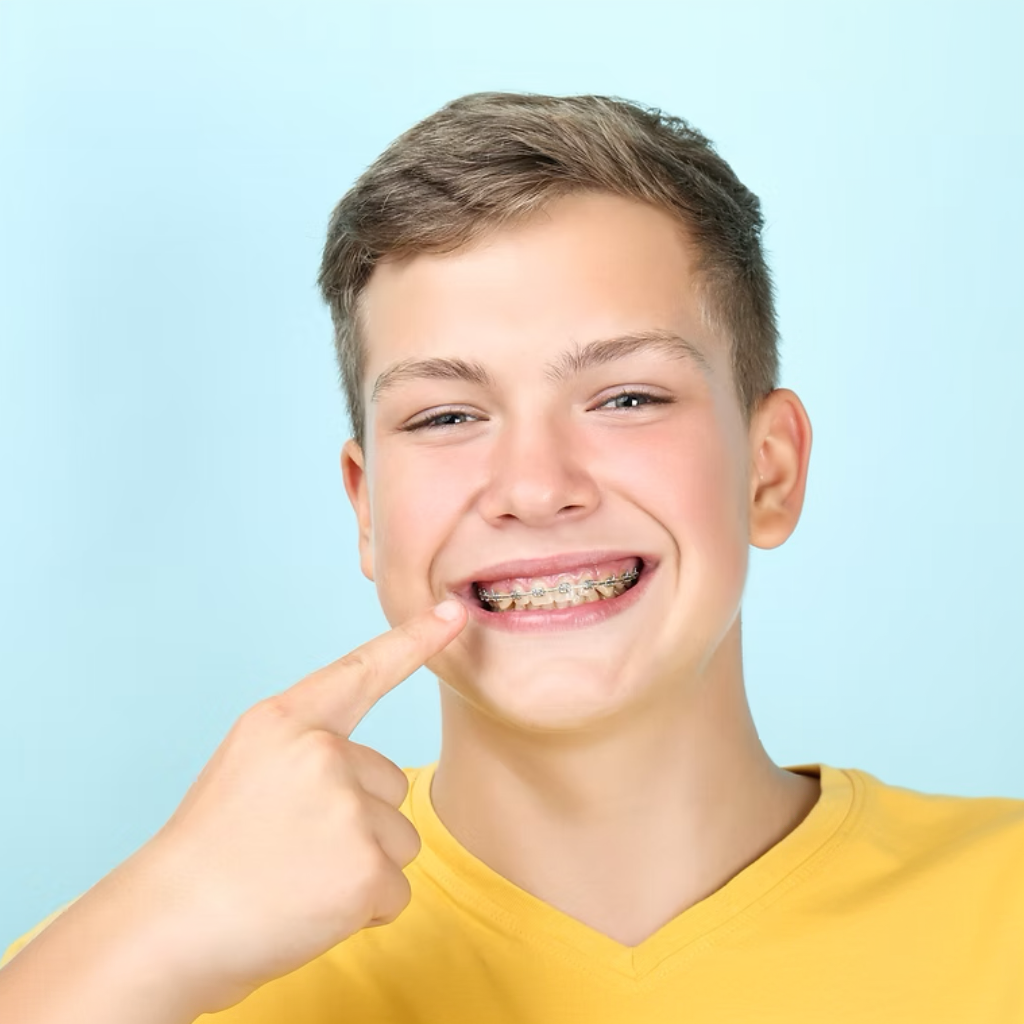
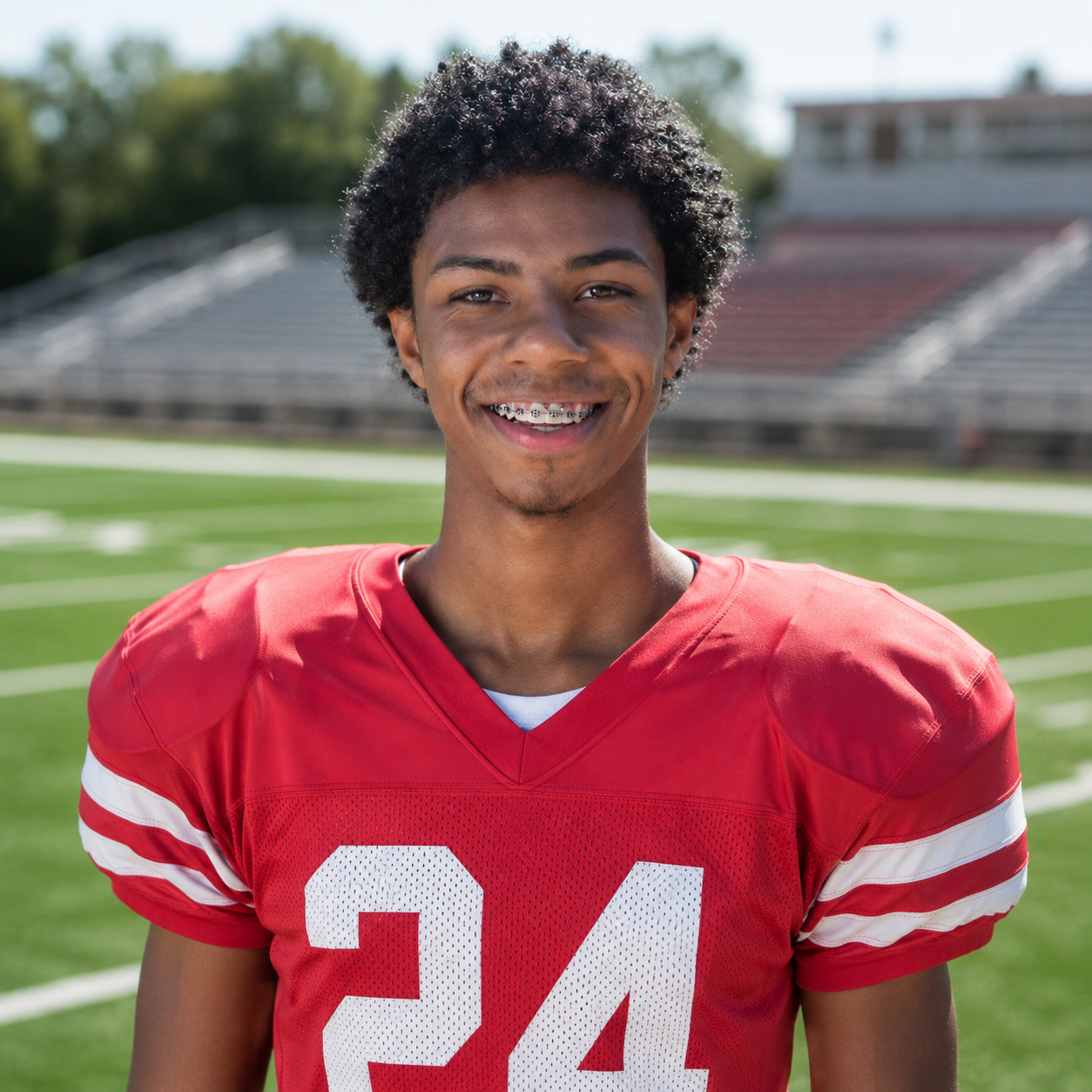
Orthodontic treatment is not a reason to sit out a season. We have treated football players, wrestlers, gymnasts, swimmers, and cheerleaders through full courses of treatment, and the overwhelming majority finish on the timeline we mapped out at their first visit.
The non-negotiable is protection. Braces do not cause injuries, but they do change what an impact does to your mouth. A blow to the face that would bruise a lip on an untreated athlete can drive that lip into a bracket, which turns a minor knock into a laceration. The American Dental Association (ADA) recommends a properly fitted mouthguard to reduce the incidence and severity of oral injury in any activity carrying meaningful risk of dental trauma, and the ADA guidance on athletic mouth protectors applies with more force, not less, when brackets are in place.
Which Sports Carry the Most Risk
Risk is not evenly distributed. Contact and the presence of a hard object moving at speed are what matter most. Here is how we counsel patients by category.
Higher contact
Football, basketball, wrestling, soccer, lacrosse, hockey, and martial arts. An orthodontic mouthguard at every practice and every game, without exception. Practices produce more of our emergency visits than games do.
Moderate contact
Baseball, softball, volleyball, cheer, and gymnastics. A mouthguard is strongly recommended, and we consider it essential for infielders, catchers, tumblers, and anyone in a stunt group.
Lower contact
Track, cross country, swimming, tennis, and golf. A mouthguard is optional for most patients, but keep orthodontic wax and a case in your bag anyway.
Why a Standard Mouthguard Will Not Work Over Braces
This is the single most common mistake we see. A parent buys a boil-and-bite guard at a sporting goods store, the athlete molds it to their brackets, and two problems follow immediately.
- It locks onto the hardware. A guard molded tightly around brackets can pull them loose when it comes out, which costs you a repair visit and, as we covered in our guide to what affects treatment time, can add weeks to your timeline.
- It stops fitting almost right away. Your teeth are moving by design. A guard molded to their position in September does not fit the same mouth in November.
Orthodontic mouthguards solve both problems. They are built with a larger channel that sits over brackets and wires without gripping them, and they are made of material that accommodates tooth movement over the course of a season. The American Association of Orthodontists (AAO) guidance on mouthguards is direct on this point: wearing a mouthguard with braces is not only possible, it is strongly recommended.
Choosing Your Mouthguard: Three Paths
Stock guard, not recommended for braces
Preformed, inexpensive, and sold in one or two generic sizes. It cannot be adjusted, tends to sit poorly over brackets, and interferes with breathing and speech. We steer patients away from this option during treatment.
Orthodontic boil-and-bite, a workable middle ground
Look specifically for a guard labeled for braces. These have a deeper channel and softer inner liner designed to sit over hardware. Follow the heating instructions exactly, and replace it when the fit loosens, or a new wire goes in.
Custom orthodontic guard from our office, the best protection
We take a digital scan and build a guard shaped to your mouth with room for the movement ahead. It is more comfortable, stays put during play, and is far less likely to pull on brackets. Ask us at your next adjustment, and we will get you scanned.
Playing Sports with Invisalign: A Different Playbook
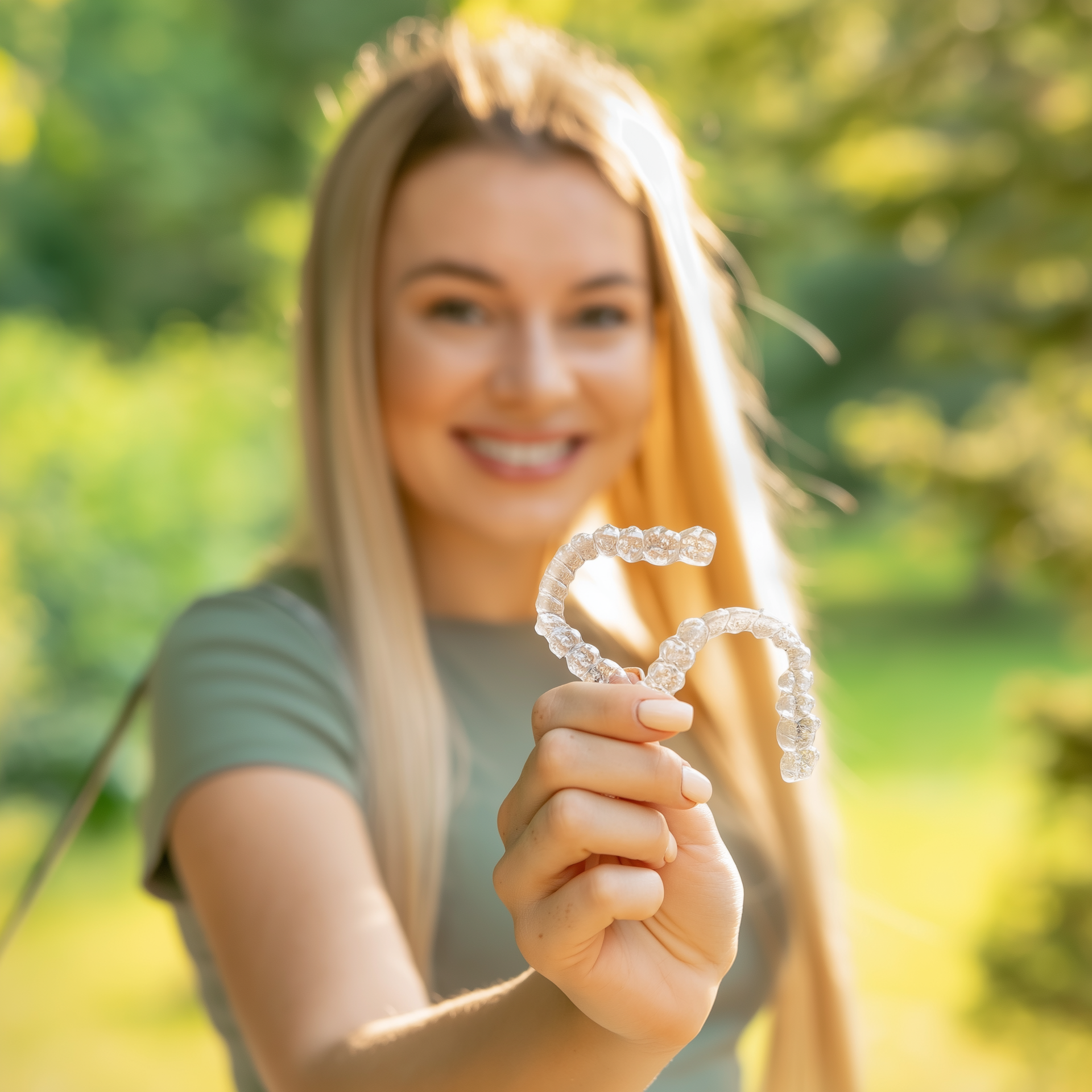
Start with the point that matters most: aligners are not protective equipment. Clear plastic trays are thin, rigid, and designed to move teeth, not to absorb impact. Walking onto a field in nothing but your trays leaves your teeth unprotected.
Here is the good news. You do not have to choose between protecting your smile and protecting your progress. Your aligners can stay in while a mouthguard is worn over them. That combination shields your teeth, cushions the trays themselves, and keeps your wear time counting while you play.
- Use a mouthguard designed to fit over aligners. This is the detail that makes the whole approach work. A standard boil-and-bite guard is molded to bare teeth and will not seat correctly over trays, and forcing the fit can distort an aligner.
- Keep your trays in during practices and games. Because the guard goes over the top, the hours you spend on the field still count toward your daily total.
- Rinse your trays and your guard after every session, especially after a hot practice. Our post on building a braces travel kit works just as well as a gym bag checklist for aligner patients.
- Bring your case anyway. You will still need it for team meals and post-game snacks, and a tray in a pocket, a sock, or a gym bag side pouch is a tray that goes missing.
- Tell us if anything feels bulky or your bite feels off with both in place. Come see us, and we will get you into a guard built around your current stage of treatment rather than leaving you to improvise on the sideline.
What to Do If Something Breaks During a Game
Even with good protection, accidents happen. Knowing the first four steps keeps a bad moment from becoming a worse one.
The First Four Steps
Stop and check the mouth
Come out of play. Look for loose brackets, a wire that has slipped, or any missing pieces.
Cover anything sharp
Orthodontic wax over a poking wire buys comfortable hours until we can see you for an appointment. This is why we recommend every athlete keep wax in their bag.
Handle a knocked-out tooth correctly
Pick it up by the crown, not the root. Do not scrub it. Seek dental care immediately.
Call or text us
Call or text 615-269-5903. We will tell you whether this needs a same-day visit or can wait until Monday, and we would much rather hear from you than have you guess.
Habits That Keep Athletes On Track
Sports change more than your injury risk. Sports drinks, mouth breathing during exertion, and long tournament days all put pressure on oral health during treatment.
- Rinse with water after sports drinks, then wait thirty to sixty minutes before brushing so you are not scrubbing acid-softened enamel. The AAO covers this and other oral health habits for athletes in detail.
- Hydrate steadily. Heavy mouth breathing dries out the mouth, which raises plaque risk around brackets. Patients who read our post on how allergy season affects braces will recognize the pattern.
- Clean your mouthguard after every use with cool water and a toothbrush, and let it dry fully before it goes back in the case.
- Keep your appointments during season. Skipping adjustments to accommodate a game schedule is one of the most common reasons treatment runs long.
- Once you finish treatment, keep wearing a mouthguard. Protecting retainers and the result you worked for matters just as much as protecting brackets did.
Why Nashville Families Trust Gluck Orthodontics
- A true father and son practice. Dr. Joel Gluck opened our doors in 1983, and Dr. Jono Gluck, a Board Certified Orthodontist, joined him in 2015.
- More than 40 years serving Nashville, with more than 1,100 five-star Google reviews from families across Green Hills, Belle Meade, 12 South, East Nashville, Brentwood, Franklin, and the surrounding areas.
- Custom orthodontic mouthguards made in-house, scanned and fitted around your specific treatment stage rather than pulled off a shelf.
- Complete treatment options including traditional braces, clear braces, Invisalign, and retainers, with answers to the questions patients ask most on our frequently asked questions page.
- A team that understands athletic schedules, because we have been working around Nashville practice times and tournament weekends for four decades.
GLUCK ORTHODONTICS
Legendary Smiles, Made in Nashville
Schedule Your FREE Consultation Today
Ask us about a custom mouthguard fitted to your treatment before your season starts.
2002 Richard Jones Road, Suite A-200, Nashville, TN 37215
Call or text 615-269-5903
Website: drgluck.com
Office hours: Mon and Tue 8am to 5pm | Wed and Thu 7am to 4pm | Fri 8am to 12pm
Conclusion
So, can you play school sports with braces? Yes, and you should. Sitting out a season is almost never the right answer. What matters is showing up with a mouthguard that fits whatever is in your mouth, wax in your bag, and a phone number you can text when something goes sideways. Our team has guided Nashville athletes through four decades of seasons, and we would be glad to help you build a plan before your first practice.
Frequently Asked Questions
Can you play sports with braces?
Yes. Braces are compatible with nearly every school sport, including contact sports like football, wrestling, soccer, and basketball. The requirement is a mouthguard designed to fit over orthodontic hardware. Standard guards molded to bare teeth can grip brackets and pull them loose, so athletes in treatment need an orthodontic guard instead.
Do I need a special mouthguard for braces?
Yes. Orthodontic mouthguards have a deeper channel that fits over brackets and wires without locking onto them, and they tolerate the tooth movement that continues throughout treatment. A custom guard made from a digital scan offers the best fit and protection. A boil-and-bite guard labeled specifically for braces is a reasonable alternative.
Can I wear my Invisalign aligners during a game?
Yes. Your aligners do not have to come out to play. What you do need is a mouthguard designed to fit over aligners, worn on top of your trays, because aligners are not protective equipment and cannot absorb impact on their own. Keeping your trays in means your practice and game time still counts toward your daily wear. If the combination feels bulky or your bite feels off, call us, and we will fit you properly.
What should I do if a bracket breaks during practice?
Come out of play and check that no pieces are missing. Cover any sharp wire with orthodontic wax for temporary comfort, then call or text our office. Most broken brackets are not emergencies, but they do need a repair appointment, and waiting can slow your treatment down.
Will braces affect my breathing or performance during sports?
Braces themselves do not restrict breathing. A poorly fitted mouthguard can, which is one more reason a custom or braces-specific guard is worth the investment. Most athletes adjust to wearing a guard within a week or two of consistent use.
When should my child get a mouthguard fitted?
Before the season starts, and again whenever the fit changes. Because teeth move throughout treatment, we check mouthguard fit at regular adjustment appointments and refit when needed. If your child is starting a new sport, mention it at your next visit, and we will handle it.
Sources
- Knapik, J. J., et al. (2019). Effectiveness of mouthguards for the prevention of orofacial injuries and concussions in sports: systematic review and meta-analysis. Sports Medicine, 49, 1217 to 1232. Digital Object Identifier (DOI): 10.1007/s40279-019-01121-w. Read full study.
- American Association of Orthodontists. Mouthguards: Patient Treatment Information. View patient resource.
- American Association of Orthodontists. Oral Health Tips for Athletes from the Orthodontic Experts. View patient resource.
- American Dental Association. Oral Health Topics: Athletic Mouth Protectors (Mouthguards). View ADA resource.
This blog is intended for general educational purposes only and is not a substitute for personalized medical, dental, or orthodontic advice. Please contact Gluck Orthodontics or your healthcare provider with specific questions about your treatment, athletic participation, or oral health.