

Gluck Orthodontics on How Braces and Aligners Can Improve Your Speech
How straight teeth and proper alignment can support better communication at any age.
Table of Contents
Introduction
Meet the Doctors
How Teeth and Bite Alignment Affect Speech
Common Speech Issues Linked to Alignment
Can Braces Fix a Lisp
Can Aligners Improve Speech Too
When Speech Therapy Matters
Our Top Picks for Improving Speech During Orthodontic Treatment
What to Expect During Your Speech and Alignment Evaluation
Pro Tips for Speaking Clearly With Braces or Aligners
Patient Spotlight
Why Choose Gluck Orthodontics
Conclusion
Frequently Asked Questions
Introduction
If you have ever felt self-conscious about a lisp, unclear pronunciation, or certain sounds that never seem to come out quite right, you are not alone. Speech is personal. It affects confidence at school, at work, and in everyday conversations. The good news is that your teeth and bite alignment can play a real role in speech clarity, and orthodontic treatment can sometimes help more than people expect.
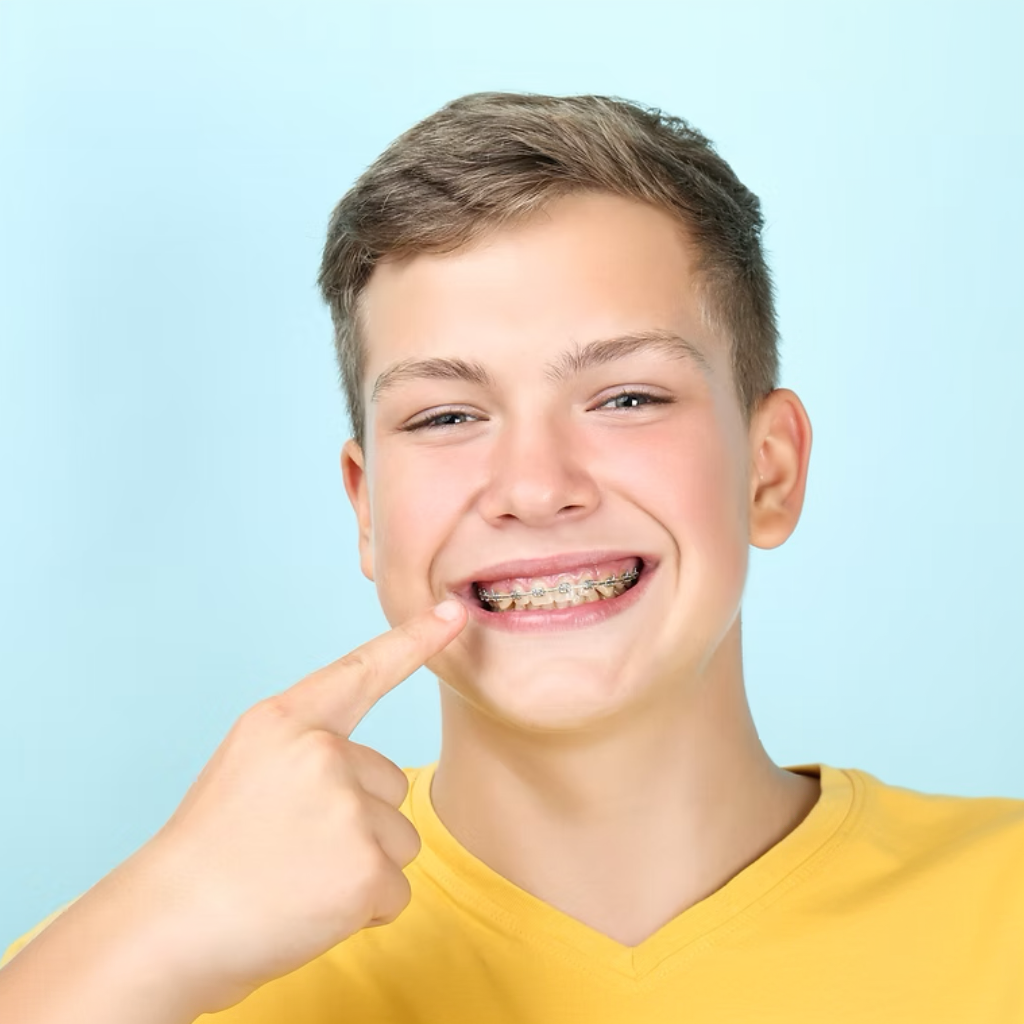
At Gluck Orthodontics, we help kids, teens, and adults improve more than the look of their smile. We help improve function. That includes how your teeth fit together, how your tongue and lips form sounds, and how comfortable you feel when you speak. With braces, clear aligners like Invisalign®, ceramic braces, and traditional braces, our goal is to guide you toward a healthier bite, a confident smile, and clearer communication.
We have served Nashville for over 40 years and we have seen how small alignment improvements can lead to big confidence wins. In this guide, we will walk through how alignment affects speech, which speech issues may improve with orthodontics, and how to determine whether braces, aligners, or speech therapy is the best next step.
Meet the Doctors
Gluck Orthodontics is led by Dr. Jono Gluck and Dr. Joel Gluck. Our team is known for creating Legendary Smiles and delivering orthodontic care built on experience, precision, and patient-first guidance. We offer braces and Invisalign for patients of all ages, and we focus on treatment plans that support long-term stability, comfort, and confidence.
If you are exploring orthodontics for a straighter smile, improved bite function, or clearer speech, we are here to guide you from your first consultation to your final results.
How Teeth and Bite Alignment Affect Speech
Speech is a coordinated effort between the tongue, lips, teeth, palate, and airflow. Teeth act like guides. They help the tongue and lips place sounds correctly. When teeth are misaligned or the bite is off, the tongue may not have the ideal space or contact point to produce certain sounds clearly.
Think of it like playing a musical instrument. If a key is out of place, the sound can be off. Alignment issues do not cause every speech problem, but they can contribute, especially when specific sounds consistently feel difficult.
The Most Common Ways Alignment Affects Speech
- Tooth position affects tongue placement
The tongue often rests against or near the front teeth for sounds like "s" and "z." If teeth are crowded, flared, or spaced, the tongue may push into the wrong area. - Bite issues change airflow
Sounds depend on controlled airflow. Open bites and gaps can let air escape, creating a lisp or an unclear sound. - Jaw alignment influences muscle patterns
If the jaw shifts to close, speech may be affected by the altered movement pattern. - Palate and arch shape matter
The shape of the upper arch can impact how the tongue contacts the palate during speech.
The key idea is simple: when teeth and jaw alignment improve, the mouth often becomes a more stable environment for clear communication.
Common Speech Issues Linked to Alignment
Not all speech issues are orthodontic, and we always want to be honest about what braces or aligners can and cannot do. Still, certain speech patterns show up more often in patients with specific bite or tooth-position concerns.
Speech issues we commonly see connected to alignment
- Lisps
Especially with "s" and "z" sounds. Many people ask about correcting a lisp and whether braces can help. - Difficulty with "th" sounds
The tongue often moves between the teeth for "th." If spacing or bite issues change the pathway, clarity may suffer - Muffled speech or unclear articulation
Sometimes linked to crowding, narrow arches, or bite imbalances that limit tongue space. - Compensatory tongue habits
When teeth do not meet well, the tongue may develop patterns like pushing forward, which can affect speech and bite over time.
Alignment Patterns That Can Contribute
- Open bite
Front teeth do not overlap, which can allow air to escape and contribute to a lisp. - Spacing
Gaps can change airflow and tongue contact. - Crowding
Limited space can restrict tongue movement. - Severe overjet
Front teeth that protrude can affect lip closure and sound formation. - Crossbite
A bite that shifts can affect jaw posture and speech patterns.
If you notice one sound that consistently feels off, that is a clue worth exploring.
Can Braces Fix a Lisp
This is one of the most common questions we hear: Can braces fix a lisp? The answer depends on why the lisp exists in the first place.
If the lisp is primarily caused or worsened by tooth position or bite relationship, braces may help by creating the structure needed for improved airflow and tongue placement. If the lisp is primarily a learned speech pattern unrelated to bite, braces alone may not resolve it, but they can still make speech therapy more effective by removing physical obstacles.
When Braces Can Help Correct a Lisp
- The lisp is linked to an open bite or spacing
- Teeth position forces the tongue forward
- Air escapes through gaps or bite openings
- The tongue has limited space due to crowding
- Jaw alignment shifts during closure and speech
When Braces May Not Be the Full Solution
- The lisp is a long-standing learned habit with no structural limitation
- There is a neurological or developmental component
- The issue is primarily related to tongue function rather than alignment
The best approach is to evaluate the bite, look at the tooth relationships, and understand your speech concerns. From there, we can determine whether orthodontics, speech therapy, or a combined plan makes the most sense.
Can Aligners Improve Speech Too?
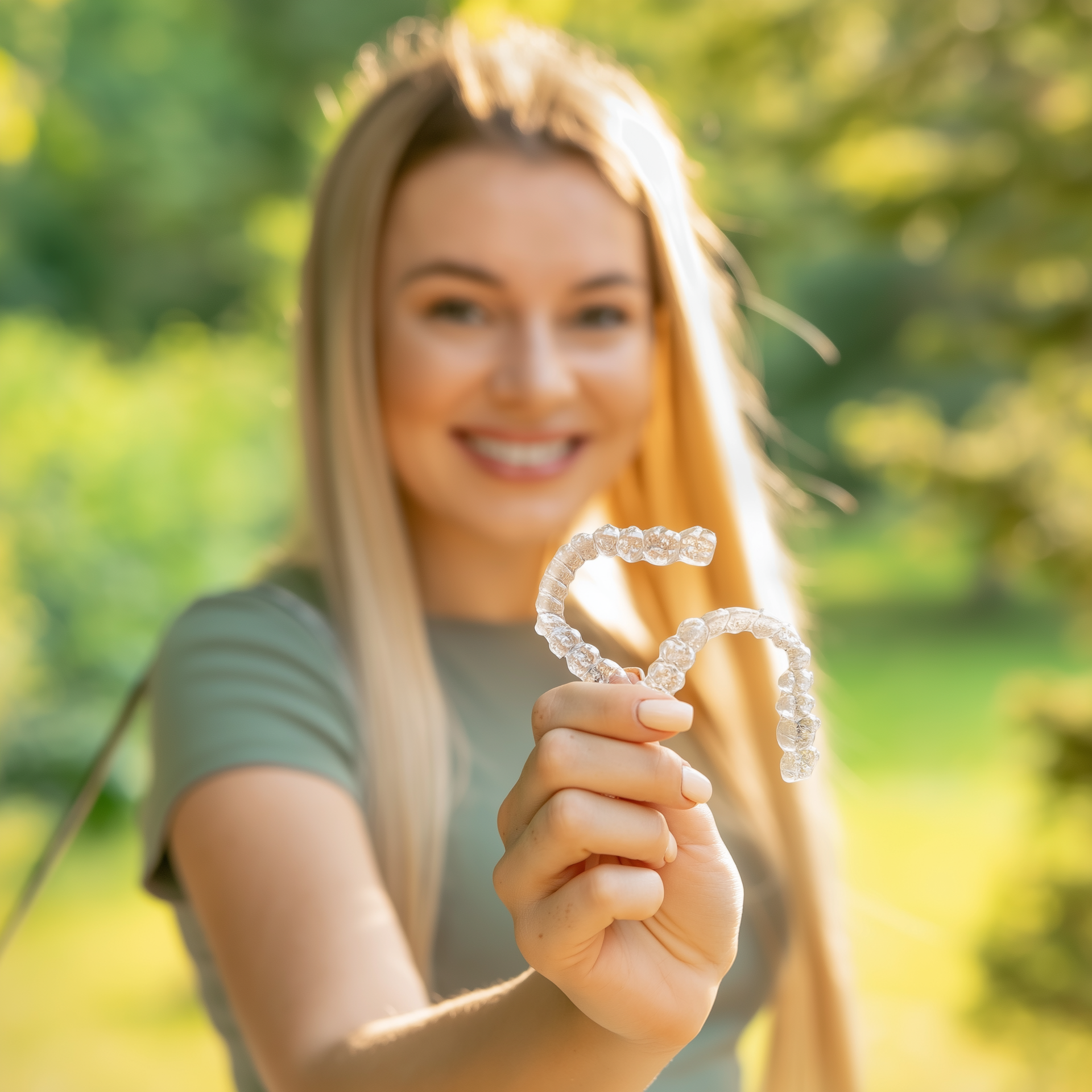
Clear aligners like Invisalign are a popular option for discreet orthodontic treatment. Many people assume aligners would make speech worse, but most patients adapt quickly. In some cases, aligners can support speech improvement over time by improving alignment and bite stability, just as braces do.
That said, aligners are removable, and they cover the teeth. Some patients notice a slight adjustment period with certain sounds during the first few days.
What to Expect With Aligner Speech Changes
- Short adjustment period
Many patients notice mild changes to "s" sounds at first. This typically improves as the tongue adapts. - Practice helps
Reading out loud for a few minutes a day can speed up adaptation. - Long-term alignment benefits
As spacing, crowding, and bite relationships improve, speech clarity can improve for patients whose speech issues are connected to structure.
Braces vs Aligners for Speech Improvement
- Braces
Provide constant correction, and it can be ideal for more complex bite issues, especially open bites, severe crowding, or crossbites. - Aligners
Can be excellent for many cases and offer a discreet option, but success depends on wear consistency and treatment planning.
At Gluck Orthodontics, we will recommend what best fits your needs and explain the why behind the recommendation.
When Speech Therapy Matters
Orthodontics can improve the structure. Speech therapy helps retrain patterns. In many cases, the best outcomes come from a combined approach, especially when a lisp has been present for years.
Speech therapy may be important when:
- The issue is a learned articulation pattern
- Tongue posture habits persist even after alignment improves
- A patient benefits from guided exercises and feedback
- There is tongue thrust or swallowing patterns affecting speech and bite
If you are already working with a speech therapist, that is great. We can coordinate care. If you are not, we can help you understand whether it might be a helpful addition to your plan.
Our Top Picks for Improving Speech During Orthodontic Treatment
If your goal is clearer communication, these are the strategies we recommend most often. Think of these as your practical toolkit.
Top Picks
- Get a bite-focused orthodontic evaluation
We will evaluate alignment and bite function, not just straightness, to identify any structural factors affecting speech. - Read out loud for 3 to 5 minutes a day
This helps the tongue adjust quickly to braces or aligners and improves muscle coordination. - Practice targeted sounds
If "s," "z," or "th" sounds are the challenge, short daily practice sessions can create faster improvement. - Ask about speech therapy if the issue has been long-standing
Orthodontics can create the right structure, and speech therapy can fine-tune the habit. - Focus on tongue posture
A relaxed tongue resting position supports both speech and bite health. - Stay consistent with your treatment
Wear aligners as directed, and follow braces instructions. Consistency is a big part of predictable improvement.
Social Challenge
Try our "Clear Communication Challenge" for 7 days:
- Pick one paragraph from a book, article, or script.
- Read it out loud once in the morning and once at night.
- Record Day 1 and Day 7 on your phone.
Most patients are surprised by the improvement in clarity and confidence.
What to Expect During Your Speech and Alignment Evaluation
When you come in, we make the process clear and comfortable. You do not need to have perfect terminology. Just tell us what you notice and what you want to improve.
What We Evaluate
- Tooth alignment and spacing
- Bite relationship and how the teeth meet
- Jaw alignment and functional movements
- Areas where airflow or tongue placement may be impacted
- Whether braces, Invisalign, or ceramic braces are the best fit
- Whether speech therapy may be a helpful partner
What You Leave With
- A clear explanation of what we see
- Options for treatment
- A plan focused on both aesthetics and function
- Next steps you can feel confident about
Pro Tips for Speaking Clearly With Braces or Aligners
These tips help patients adapt faster and feel more confident during the early phase.
Pro Tips
- Slow down slightly during the first week
Clear speech comes faster when you are not rushing sounds. - Drink water before speaking
Dry mouth can make articulation harder. - Practice your toughest sounds early
Spend 60 seconds on the sound that feels hardest. Consistency matters more than long sessions. - If you have aligners, do not remove them to speak
Wearing them during practice helps your mouth adapt faster. - Ask us about bite stability
Speech clarity improves when the bite is stable and the tongue has a predictable environment.
Patient Spotlight
A young professional came to us feeling frustrated about the clarity of their speech during presentations. They had a mild open bite and spacing, and they noticed certain sounds felt inconsistent, especially when speaking quickly. They were also interested in a discreet option.
We created a clear aligner plan that focused on improving bite contact and alignment. During treatment, they practiced daily reading out loud and used a few simple articulation exercises. Over time, they reported increased confidence during meetings and fewer moments of self-consciousness. Their smile looked great, and their bite felt more stable, which supported clearer speech patterns.
Every patient is different, but the goal is always the same: improved function, improved confidence, and a result that supports your life.
Why Choose Gluck Orthodontics
When you are looking for orthodontic treatment that supports both aesthetics and function, experience matters. Our team has served Nashville for over 40 years, and we have built a reputation for care that feels personal, clear, and results-driven.
At Gluck Orthodontics, you can expect:
- A team led by Dr. Jono Gluck and Dr. Joel Gluck
- Treatment options including braces, Invisalign, clear aligners, ceramic braces, and traditional braces
- A focus on bite function, jaw alignment, and long-term stability
- An approach that supports confident smiles and clear communication
If you are wondering whether orthodontics can improve speech clarity, correct a lisp, or support better communication, we would love to evaluate your bite and walk you through your options.
Conclusion
Clear communication matters. When you feel confident in your speech, you show up differently at school, at work, and in everyday conversations. If teeth alignment, spacing, or bite issues are contributing to speech challenges, orthodontic treatment can be a meaningful step toward improvement.
At Gluck Orthodontics, we look beyond straight teeth. We look at how your bite functions, how your jaw aligns, and how your smile supports your life. Whether you are considering braces, ceramic braces, or Invisalign, we will help you choose a plan that fits your needs, your goals, and your timeline.
If you are ready to explore treatment options or you simply want answers, give us a call or text us at 615-269-5903. You can also learn more at drgluck.com. We are here to help you move toward a healthier bite, a Legendary Smile, and clearer communication.
Frequently Asked Questions
Can braces improve speech clarity?
They can, especially when speech issues are connected to tooth position or bite alignment. Braces can improve structure, which supports better tongue placement and airflow.
Can braces fix a lisp?
Sometimes, yes. If the lisp is linked to an open bite, spacing, or alignment issues, braces may help correct the structural cause. If the lisp is primarily a learned pattern, speech therapy may still be needed.
Do clear aligners like Invisalign cause a lisp?
Some patients notice a short adjustment period with aligners, especially with "s" sounds. Most patients adapt quickly. Practicing reading out loud can help speed up the adjustment.
Should I do speech therapy during orthodontic treatment?
If the speech issue is long-standing or habit-based, speech therapy can be very helpful. Orthodontics improves structure, and speech therapy helps retrain patterns.
What alignment issues most often affect speech?
Open bites, spacing, crowding, severe overjet, and crossbites can contribute to speech challenges by changing tongue space, airflow, and bite stability.
How long does it take to notice changes in speech?
It depends on the cause. Some patients notice improved clarity as alignment and bite stability improve. Others benefit most from combining orthodontics with speech therapy for faster results.