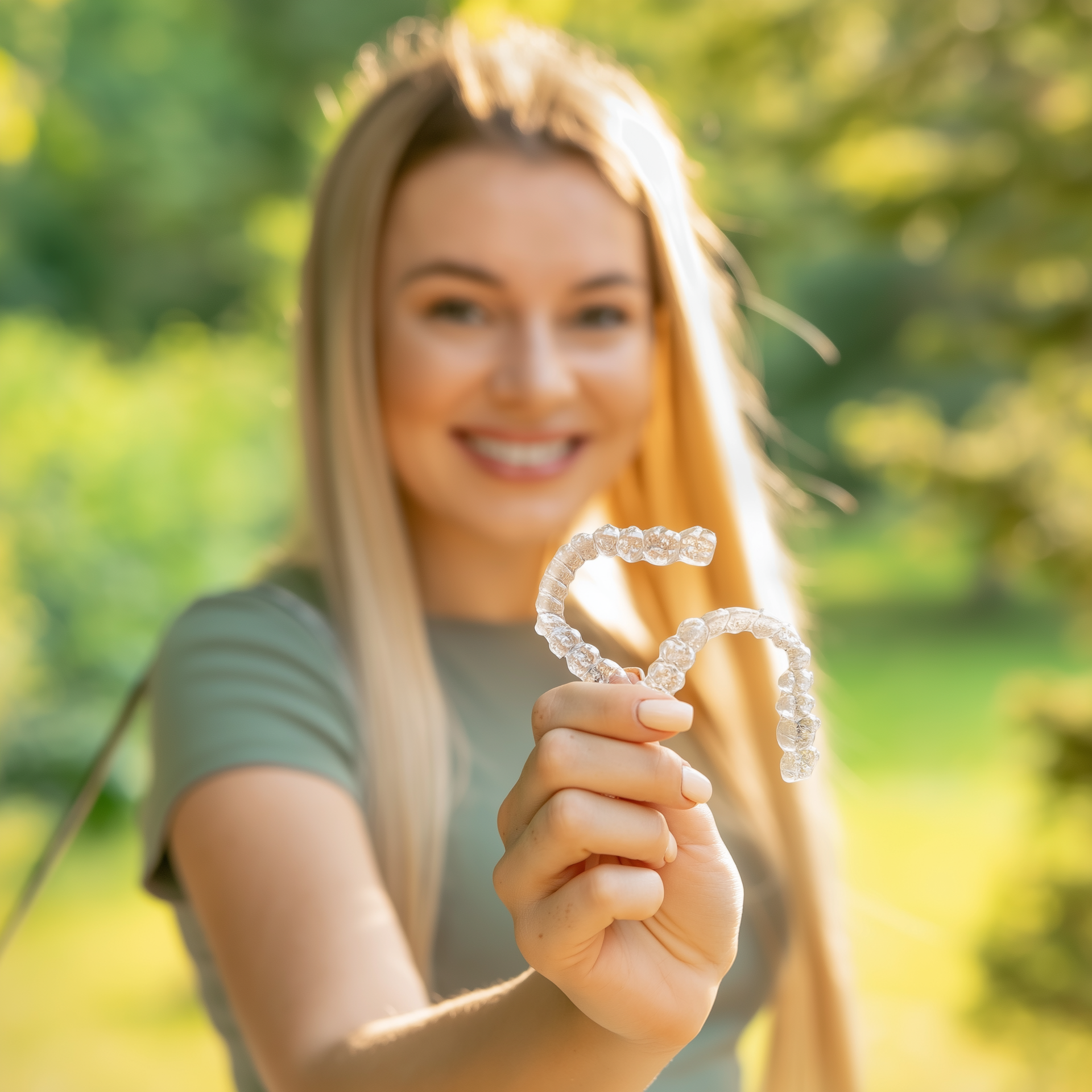


Should I Whiten My Teeth After Orthodontic Treatment? Gluck Orthodontics Explains When to Brighten Your Smile and How to Prevent Staining During Braces
A few simple habits during treatment can help minimize staining and make whitening after orthodontics more predictable.
Table of Contents
- Introduction
- Meet Our Doctors
- Why Teeth Can Look Uneven After Braces Are Removed
- What to Eat and Drink During Treatment to Minimize Staining
- How Does Whitening Toothpaste Work, and Is It Effective?
- When Should You Whiten After Orthodontic Treatment
- Professional vs. At-Home Whitening
- Why Choose Gluck Orthodontics for Your Post-Braces Smile?
- Final Thoughts
- Frequently Asked Questions
Introduction
Finishing orthodontic treatment is an exciting milestone. After months or years of wearing braces or aligners, many patients are eager to enjoy their newly aligned smile—and one of the most common questions at that stage is when whitening can safely begin.
At Gluck Orthodontics, patients in Nashville and surrounding communities often ask how to keep teeth bright during treatment and what to expect once braces or Invisalign clear aligners come off. One of the ways is to take simple, yet effective actions during treatment for the best possible outcome when finished.
Meet Our Doctors
At Gluck Orthodontics, your smile transformation doesn’t end when your braces come off—it’s just the beginning. Our team has been helping Nashville patients achieve confident, radiant smiles for over 40 years, including guidance on treatments like professional whitening after orthodontic care.
Dr. Jono Gluck focuses on modern, patient-centered care, helping you enhance your results so your newly straightened smile looks as vibrant as it feels.
Dr. Joel Gluck brings decades of experience and an eye for detail, ensuring your smile is not only properly aligned, but polished to its fullest potential.
Together, our team is dedicated to helping you enjoy a healthy, beautiful smile long after your orthodontic treatment is complete, with care that’s as smooth and convenient as possible.
Why Teeth Can Look Uneven After Braces Are Removed
When dental braces are removed, it’s common for patients to notice slight color differences across their teeth. This can be surprising after months or years of treatment, especially when you’re expecting a perfectly uniform, bright smile right away. In reality, these variations are very normal and usually temporary.
During orthodontic treatment, brackets and wires cover portions of the enamel, protecting those areas from everyday exposure. Meanwhile, the surrounding enamel is still in contact with foods, drinks, and plaque. Over time, this can lead to subtle differences in shade between covered and uncovered areas, including white spots.
Common causes for white spots include:
- Plaque buildup around brackets and along the gumline
- Surface staining from foods and drinks like coffee, tea, or soda
- Areas that were more difficult to brush and floss during treatment
- Mild dehydration of the enamel immediately after bracket removal, which can temporarily affect how light reflects off the teeth
Additionally, braces can make brushing and flossing more challenging, even for patients with excellent oral hygiene habits. Small areas around brackets and along the gumline may accumulate plaque or surface stains, which can become more noticeable once the braces are removed.
As the American Association of Orthodontists details, in most cases these color differences improve with a professional cleaning, consistent at-home care, and a little time as the enamel naturally rehydrates and returns to its normal appearance.
What to Eat and Drink During Treatment to Minimize Staining
Certain foods and drinks are more likely to leave stain buildup around brackets during treatment.
To help keep enamel brighter during orthodontic care, it helps to limit frequent exposure to:
- Coffee
- Tea
- Dark sodas
- Sports drinks
- Tomato-based sauces
- Curry
- Soy sauce
- Berries
- Red wine
Foods and drinks less likely to contribute to staining include:
- Water
- Milk
- Light-colored sauces
- Cheese
- Apples
- Yogurt
- Lean proteins
Using a straw when possible for darker drinks can also help reduce contact with front teeth. Removing your aligners when drinking anything besides water is key to minimizing damage to your trays.
How Does Whitening Toothpaste Work, and Is It Effective?
Whitening toothpaste doesn’t actually “bleach” your teeth the way professional treatments do. Instead, it works mainly on the surface to improve how your teeth look.
Most formulas use mild abrasives (like silica) to gently polish away surface stains caused by coffee, tea, soda, or certain foods. Some also include chemical agents that help break down stains or prevent new ones from sticking to enamel. A few over-the-counter options contain low levels of peroxide, but these are typically much weaker than professional whitening systems.
The key thing to know: whitening toothpaste helps with surface stains, not deeper discoloration inside the tooth.
Is It Smart to Use Whitening Toothpaste While You Have Braces? Short answer: it’s usually not the best idea to rely on it during braces treatment.
When you have braces, the toothpaste can only reach the exposed parts of your teeth—not the areas underneath the brackets. This can lead to uneven color once your braces are removed, where the exposed enamel looks slightly lighter than the covered portions.
There are a couple of other considerations too:
Limited effectiveness: Brackets physically block large portions of your enamel, so whitening results will be minimal anyway.
Risk of uneven shading: You may end up with noticeable contrast between bracket-covered and uncovered areas.
Sensitivity concerns: Some whitening toothpastes can increase sensitivity, which may already be an issue during orthodontic treatment.
What’s a Better Approach?
While you’re in braces, focus on:
- Thorough brushing and flossing (especially around brackets)
- Using a non-whitening fluoride toothpaste for enamel health
- Minimizing stain-causing foods and drinks when possible
- Regular Professional Cleanings
Then, once your braces come off, you can safely explore professional whitening options to achieve a more even, consistent result.
When Should You Whiten After Orthodontic Treatment is Done?
Whitening After Braces
Most orthodontists recommend waiting a short period after braces are removed before beginning whitening.This allows the teeth to rehydrate and lets natural enamel color stabilize.
For many patients, whitening is best considered about 2 to 4 weeks after bracket removal, but it can be recommended to wait up to 6 months depending on enamel sensitivity and overall oral health.
This timing helps ensure whitening results appear more even.
Whitening After Clear Aligners
Patients treated with clear aligners may notice less unevenness because the enamel was not covered by brackets. However, stain buildup can still occur if aligners were worn while drinking staining beverages or if the aligners were not cleaned regularly.
The same whitening timing recommendations usually apply after treatment is complete.
Should Whitening Be Professional or At Home?
Both professional and at-home whitening options can be effective, but the right choice often depends on your goals, timeline, and level of tooth sensitivity — especially after braces have been removed.
Professional whitening treatments are designed to deliver more noticeable results in a shorter amount of time. Because they are performed under the supervision of a dental professional, they can also be tailored to your specific needs, helping ensure a more even and comfortable experience.
Professional whitening may offer:
- Faster, more dramatic visible results
- More even color correction across all teeth
- Customized treatment based on your enamel and sensitivity levels
- Safer application, especially after orthodontic treatment
At-home whitening, on the other hand, can be a good option for patients looking for gradual improvement or ongoing maintenance. These products are typically more accessible and convenient, but they often require more consistent use over a longer period to achieve noticeable results.
It’s important to understand that not all at-home whitening products are the same. Over-the-counter options usually contain lower concentrations of active ingredients, which makes them gentler—but also less powerful. As a result, it may take weeks (or longer) to see the same level of whitening that professional treatments can achieve in a much shorter timeframe.
At-home whitening may be appropriate for:
Gradual brightening after braces
Maintaining results after professional treatment
Patients with mild staining and low sensitivity
No matter which option you’re considering, it’s always a good idea to consult with your dental provider first—especially if you have a history of sensitivity, concerns about enamel health, or have recently had orthodontic attachments removed. A quick evaluation can help you avoid uneven results and choose the safest, most effective path to a brighter smile.
Why Choose Gluck Orthodontics for Your Post-Braces Smile?
At Gluck Orthodontics, we believe your smile transformation doesn’t end when your braces come off—it’s your opportunity to reveal the full results. From alignment to brightness, our goal is to help you achieve a smile that looks as healthy and confident as it feels.
Orthodontic treatment is a journey, and the final steps—like whitening and smile refinement—can make a meaningful difference in your overall results. Our team is here to guide you through that last phase with the same level of care, precision, and attention to detail that got you here.
What Sets Our Practice Apart
- Advanced orthodontic technology that supports precise treatment—and better final outcomes
- Personalized care that considers not just straightening, but the overall appearance of your smile after braces
- Guidance on post-treatment options like whitening to help you achieve a more even, polished look
- A supportive, experienced team focused on your comfort from your first visit through your final results
- Over 40 years of trusted care serving Nashville patients and families
For decades, we’ve helped patients not only straighten their teeth, but feel confident in their smiles long after treatment is complete. We understand that details matter—especially after braces are removed—and we take the time to help you navigate next steps like whitening safely and effectively.
Whether you’re finishing braces or clear aligner treatment, you can feel confident knowing you’re supported by a team dedicated to helping you achieve a bright, balanced, and lasting result.
Final Thoughts
A bright smile after orthodontic treatment often begins with good habits during treatment itself. Choosing foods carefully, brushing consistently, and understanding when to whiten can help you enjoy the full results of your newly aligned smile with confidence.
For many patients, a little patience after braces removal leads to the most even and natural-looking whitening outcome.
If you’re ready to take the next step, the team at Gluck Orthodontics is here to help you achieve a smile that looks as great as it feels. Schedule a consultation to explore safe, effective whitening options tailored to your smile and enjoy the full results of your orthodontic treatment.
Frequently Asked Questions
When can I whiten my teeth after braces are removed?
Most patients should wait about 2 to 4 weeks to allow enamel to rehydrate and ensure more even whitening results.
Can I whiten my teeth while wearing braces?
Whitening during braces is not recommended because it can lead to uneven results once brackets are removed.
Is professional whitening better than at-home options?
Professional whitening typically delivers faster, more even, and more noticeable results than at-home treatments.
Do clear aligners cause the same staining as braces?
Clear aligners usually cause less uneven staining, but discoloration can still occur if proper care isn’t followed.
What’s the best way to keep my teeth white after treatment?
Maintaining good oral hygiene, limiting stain-causing foods, and scheduling regular cleanings helps keep your smile bright.