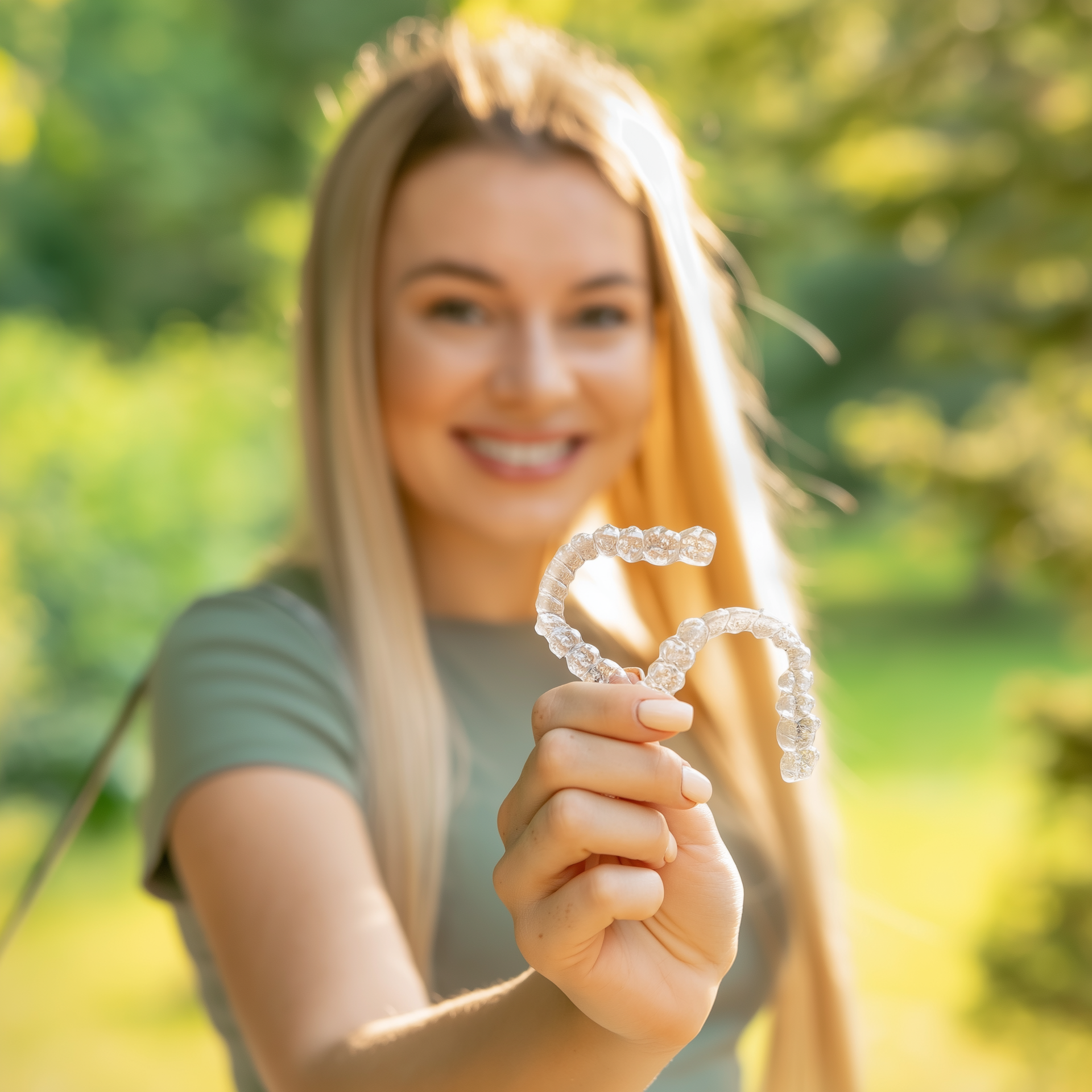


Can Braces Or Invisalign® Help Lower Your Risk Of Cavities And Gum Disease? Gluck Orthodontics In Nashville Explains
How Straighter Teeth, A Healthier Bite, And Better Daily Hygiene Can Work Together For Long-Term Oral Health
Table Of Contents
Introduction
Meet The Doctors
Why Tooth Alignment Matters For Oral Health
Can Crooked Teeth Increase The Risk Of Cavities?
What Is The Link Between Bite Problems And Gum Health?
How Braces And Invisalign Can Support A Healthier Smile
Why Oral Hygiene Still Matters During Treatment
Daily Habits That Protect Your Teeth And Gums
Orthodontic Treatment In Nashville
Our Top Picks For Better Oral Health During Orthodontic Care
Why Families Choose Gluck Orthodontics
Conclusion
Frequently Asked Questions
Introduction
At Gluck Orthodontics, we believe a straight smile should do more than look great in photos. We want your smile to function well, feel healthy, and be easier to care for every day. That is why so many patients ask us an important question: can braces or Invisalign® actually help lower the risk of cavities and gum disease? Dr. Jono Gluck and Dr. Joel Gluck believe orthodontic care should do more than improve appearance. It should also support healthier function, better cleaning access, and stronger long-term oral health.
The American Dental Association (ADA) explains that orthodontic treatment is designed to create a healthy bite, and the American Association of Orthodontists (AAO) notes that misaligned teeth can be harder to clean. When teeth are less crowded, and the bite fits together more efficiently, brushing and flossing often become easier and more effective.
That said, orthodontic treatment is not a substitute for brushing, flossing, fluoride, and regular dental visits. It is better to think of braces and Invisalign as tools that can remove some of the obstacles that make good oral hygiene harder to maintain. The ADA also explains that correcting bite and alignment problems can support a healthier mouth, not just a more attractive smile.
At Gluck Orthodontics, Dr. Jono Gluck and Dr. Joel Gluck love helping patients across Nashville understand that orthodontic treatment is about more than aesthetics. Whether you are exploring braces for your child, ceramic braces for a teen, or Invisalign for yourself, our goal is the same: to help you build a smile that is beautiful, healthy, and easier to maintain for years to come.
Meet The Doctors
At Gluck Orthodontics, our Nashville practice is led by:
For more than four decades, our team has helped families throughout Nashville improve their smiles with braces and Invisalign treatment.
As orthodontic specialists, we focus not only on creating beautiful smiles but also on building smiles that function properly and support long-term oral health. Every treatment plan is personalized based on a patient’s bite, alignment, goals, and lifestyle.
Whether a patient is considering braces for their child or Invisalign for themselves, our goal is the same: a healthy, confident smile that lasts a lifetime.
Why Tooth Alignment Matters For Oral Health
Tooth alignment matters because oral health is not just about whether teeth look straight. It is also about whether they are easier to brush, easier to floss, and able to come together in a healthy bite. The ADA explains that orthodontic treatment is intended to create a healthy bite so teeth properly meet opposing teeth, helping with biting, chewing, and speaking. The AAO also notes that misaligned teeth are harder to clean and may contribute to abnormal enamel wear.
That matters in everyday life more than many people realize. When teeth overlap, crowd together, or twist out of place, plaque and food debris can linger in areas that are simply harder to reach. When the bite is off, certain teeth may absorb too much pressure over time. Orthodontic treatment does not guarantee perfect oral health, but it can create conditions that make healthy habits more achievable.
Straight teeth are often easier to clean, and a balanced bite can support healthier long-term function. Good dental alignment can make daily brushing and flossing easier, improve comfort during chewing, and support a healthier bite over time. That is one reason many patients see orthodontics as part of preventive dentistry, not just cosmetic treatment.
Can Crooked Teeth Increase The Risk Of Cavities?
Crooked or crowded teeth can absolutely make cavity prevention harder. The Mayo Clinic explains that cavities are linked to bacteria, plaque buildup, sugary foods and drinks, and not cleaning teeth well. The AAO adds that misaligned teeth can make cleaning more difficult, which may increase plaque buildup and the risk of decay.
We often see this challenge in patients with overlapping front teeth, crowded lower incisors, or tight areas where flossing feels frustrating enough that it gets skipped. Those spaces are not automatically a problem, but they can become one when plaque sits longer than it should.
When orthodontic treatment improves alignment, many patients find it easier to brush along the gumline and floss between teeth more effectively. In that sense, braces and Invisalign can help lower cavity risk by making good oral hygiene easier to practice consistently. Treatment does not replace daily habits, but it can make those habits much more achievable.
What Is The Link Between Bite Problems And Gum Health?
The link between bite problems and gum health is not always obvious at first, but it is real. The ADA explains that a healthy bite helps teeth function properly during chewing and speaking. The AAO also notes that untreated misalignment can contribute to oral health problems, including gum disease and difficulty chewing.
Gum health depends heavily on plaque control. When teeth overlap or are difficult to reach, plaque may collect around the gumline more easily. The Mayo Clinic's gingivitis guide explains that gingivitis is a mild form of gum disease that causes redness, swelling, and bleeding of the gums. Its periodontitis page explains that more advanced gum disease can damage soft tissue and bone and may eventually lead to tooth loss.
Orthodontic treatment is not a cure for gum disease, but when alignment improves access for brushing and flossing, many patients are better positioned to keep the gumline cleaner. That is one reason we look at more than just how teeth look in photos. We also look at how your bite fits together, how your teeth function, and whether there are areas that may be making oral hygiene harder than it needs to be.
How Braces And Invisalign® Can Support A Healthier Smile
Both braces and Invisalign can move teeth into healthier positions. The right choice depends on your bite, your goals, and the kind of tooth movement required. The AAO's aligner information explains that clear aligners can be used to treat issues such as crowding, spacing, overbite, underbite, open bite, crooked teeth, and crossbite. It also makes clear that some cases are better treated with braces. In many cases, bite correction is a major part of the treatment plan because a healthier bite can support better function, more even pressure across the teeth, and easier long-term maintenance.
Braces are often especially helpful when tooth movement is more complex, when rotation or vertical control is important, or when bite correction is a major goal. We offer modern braces and clear ceramic braces for children, teens, and adults.
Invisalign can be a great fit when you want a more discreet option and are comfortable wearing aligners as directed. The AAO explains that aligners are typically worn at least 22 hours a day and removed for eating, drinking, brushing, and flossing. Invisalign® offers a nearly invisible treatment process and gives patients a comfortable, convenient alternative to braces in many cases.
The bigger idea is the same. When teeth and the bite are guided into healthier positions, the smile often becomes easier to maintain over time. That can mean fewer plaque traps, better access for brushing and flossing, and a bite that functions more comfortably day to day.
Why Oral Hygiene Still Matters During Treatment
This is the part many patients do not expect. Orthodontic treatment can support better oral health long term, but oral hygiene matters even more while treatment is happening.
The AAO's guidance on white marks during treatment explains that braces do not directly cause white spots on teeth. Instead, plaque and acid sitting on the enamel can pull minerals out of the tooth surface, especially if oral hygiene slips. The AAO further explains that aligners can also create problems when patients eat without brushing before putting trays back in, fail to clean their aligners properly, or wear them while drinking beverages other than water.
The Mayo Clinic likewise explains that when teeth are not cleaned well after eating and drinking, plaque forms quickly, and the first stages of tooth decay can begin.
That is why our message at Gluck Orthodontics is balanced: orthodontic treatment can support better oral health, but only if we protect the teeth and gums throughout treatment. This is where braces and oral hygiene become so closely connected. Strong braces hygiene habits are essential for protecting enamel, reducing plaque buildup, and supporting healthy gums throughout treatment. The good news is that with the right routine, this is very manageable.
Daily Habits That Protect Your Teeth And Gums
If your goal is a straighter and healthier smile, these habits matter most:
- Brush thoroughly along the gumline and around brackets or aligner attachments
- Floss or clean between teeth every day
- Rinse with water after meals when you cannot brush right away
- Keep regular dental checkups and cleanings
- Wear appliances exactly as directed
- Tell us early if you notice gum bleeding, white spots, or sensitivity
The AAO recommends brushing at least twice a day, ideally after meals, cleaning between the teeth daily, using fluoride as recommended by your dental team, and keeping regular dental visits during orthodontic treatment. The Mayo Clinic also notes that plaque that stays on the teeth can harden into tartar, making teeth even harder to keep clean and contributing to inflammation.
Consistency matters more than perfection. A strong daily routine protects your enamel, your gums, and your orthodontic progress.
Orthodontic Treatment In Nashville
If you are searching for braces or Invisalign in Nashville, you are looking for more than a treatment option. You are looking for answers, clarity, and a team you can trust with your smile. At Gluck Orthodontics, we want your orthodontic experience to feel personal from the very beginning, with guidance that helps you understand not only how your smile can look, but how it can function and feel for years to come.
We treat children, teens, and adults with braces, ceramic braces, and Invisalign, and every treatment plan is tailored to the individual. Some patients benefit most from braces for more complex tooth movement or bite correction. Others love the flexibility and discreet appearance of Invisalign. For patients who want a less noticeable braces option, ceramic braces can offer a beautiful middle ground. Our goal is never to force one solution. It is to help you find the one that fits your smile, your lifestyle, and your long-term oral health goals.
For us, orthodontic care is about more than straightening teeth. It is about creating a smile that is easier to care for, more comfortable to function with, and more confident to share. If you have been looking for a trusted orthodontist in Nashville, we would be honored to help you explore your options and take the next step with confidence. You can learn more about our Nashville practice on our website.
Our Top Picks For Better Oral Health During Orthodontic Care
If we had to narrow it down, these are our top picks for protecting your teeth and gums during treatment:
- Brush before bed every single night
- Clean between teeth daily, even when you are tired
- Use fluoride toothpaste
- Keep water with you during the day
- Clean Invisalign trays every day
- Stay on schedule with orthodontic and dental visits
- Reach out early if something feels off
These habits may not sound flashy, but they matter. The AAO specifically highlights brushing after meals when possible, cleaning between teeth daily, limiting sugary and acidic drinks, and keeping regular dental cleanings during orthodontic treatment.
Why Families Choose Gluck Orthodontics
Families choose Gluck Orthodontics because they want expert care, personalized planning, and treatment options that fit real life. At Gluck Orthodontics, we want every treatment plan to support strong gum health, healthier function, and more stable results over time. Our practice offers braces, ceramic braces, and Invisalign in Nashville, led by Dr. Jono Gluck and Dr. Joel Gluck.
We also know that trust matters. Patients want to know who is guiding their treatment, whether the plan fits their goals, and whether the team understands that oral health and smile confidence go hand in hand. For us, orthodontic treatment is never just about making teeth look straighter. It is about helping create a smile that functions better, feels healthier, and is easier to maintain long after treatment ends.
Conclusion
So, can braces or Invisalign help lower your risk of cavities and gum disease? In many cases, yes. When treatment improves alignment and bite function, it can make brushing, flossing, and long-term smile maintenance easier. But the real win comes when that improved alignment is paired with strong home care, regular dental visits, and a treatment plan built around your specific needs.
That is the balance the American Dental Association, the American Association of Orthodontists, and the Mayo Clinic all point back to: healthier positioning helps, but daily habits still matter.
At Gluck Orthodontics, we are proud to help Nashville patients build smiles that look beautiful and support long-term oral health. If you are wondering whether braces, ceramic braces, or Invisalign could be the right fit for you or your child, we would love to meet you. Visit us at 2002 Richard Jones Road, Suite A-200 in Nashville, or call or text us at 615-269-5903 to schedule your consultation here.
Frequently Asked Questions
Can straight teeth really improve oral health?
Often, yes. Straighter teeth are usually easier to brush and floss, and a healthier bite can make chewing and daily function more efficient. The ADA explains that orthodontic treatment is meant to create a healthy bite, and the AAO notes that misaligned teeth are harder to clean.
Can braces or Invisalign prevent cavities?
Not by themselves. Braces and Invisalign can improve alignment, which may make oral hygiene easier, but cavity prevention still depends on plaque control, fluoride, diet, and regular dental care. The Mayo Clinic explains that cavities are linked to bacteria, plaque buildup, sugary foods and drinks, and not cleaning teeth well.
Are braces bad for my teeth?
Braces are safe when monitored properly, but they do require excellent home care. The AAO explains that braces do not directly cause white spots, but plaque and acid left around brackets can contribute to enamel demineralization if oral hygiene slips.
Are aligners better for oral hygiene than braces?
They can be more convenient for brushing and flossing because they are removable. The AAO notes that aligners are taken out for brushing and flossing, which can make oral hygiene easier for many patients. At the same time, trays still need to be cleaned properly, and they should not be worn after eating without brushing.
How do I know whether braces or Invisalign is right for me?
The best way to know is to schedule a consultation. The
AAO explains that some cases are a great fit for aligners, while others are treated more predictably with braces. At
Gluck Orthodontics, we offer traditional braces, ceramic braces, and Invisalign, so we can recommend the option that best matches your bite, goals, and lifestyle.